Why Hamstrings Matter for Leg Strength and Balance
Have you ever wondered why hamstrings play such a crucial role in overall leg strength and stability? These powerful muscles located at the back of your thighs do more than just aid in walking—they’re essential for movements like running, jumping, and even maintaining balance. Weak hamstrings can lead to muscle imbalances, increasing the risk of injuries and limiting your performance in exercises like squats or deadlifts. So, how can you strengthen them at home?
Benefits of Leg Curls at Home
Leg curls are a fantastic way to target your hamstrings, and the best part? You don’t need a gym. Doing leg curls at home offers benefits such as:
- Convenience: Skip the commute and tackle your workout right in your living room.
- Minimal Equipment: Use a stability ball, resistance bands, or even just your own bodyweight for effective results.
- Improved Posterior Chain Strength: Strong hamstrings enhance performance in compound lifts and daily life activities.
- Accessibility: Perfect for beginners and advanced fitness enthusiasts alike.
With creative variations like single-leg curls or standing hamstring curls, you can even add a touch of balance and core activation to your routine.
What Are Leg Curls?
Leg curls, often referred to as hamstring curls, are a dynamic exercise that specifically targets the hamstrings, the muscles running along the back of your thighs. This movement also activates your glutes (your buttocks) and provides secondary engagement of your calves, making it an essential component of any lower-body workout routine.
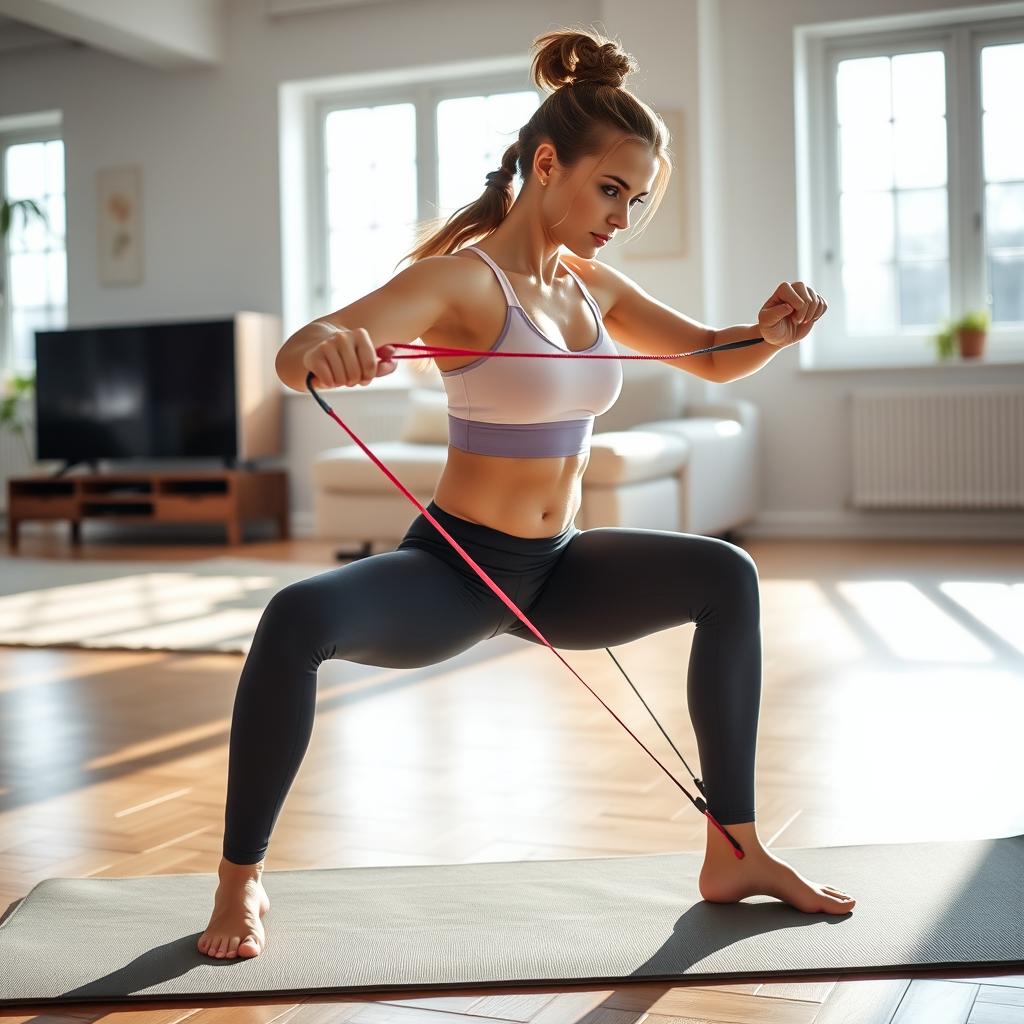
So, what does a leg curl look like? At its core, the movement involves flexing your knee joint by bringing your heel toward your glutes while keeping your upper body stable. Simple, right? Yet, this motion can be adapted in countless ways, making it accessible whether you’re working out at home or in the gym.
Here are some popular variations:
- Bodyweight Hamstring Curls: Perfect for home workouts, this variation requires no equipment—just your body’s strength and control.
- Stability Ball Leg Curls: Combine balance and power by using a stability ball to increase hamstring engagement.
- Resistance Band Leg Curls: Affordable and space-saving, resistance bands mimic the tension you’d find in gym machines.
- Machine Leg Curls: Whether lying or seated, gym machines allow you to focus on heavier loads for maximum strength gain.
Have you ever wondered why hamstring strength is so widely emphasized? Strong hamstrings don’t just help you avoid injuries—they’re key players in boosting performance during movements like squats and deadlifts. If you’re aiming for better balance, improved posture, or enhanced lower-body power, incorporating leg curls into your routine is a must!
Benefits of Doing Leg Curls at Home
Why spend time commuting to the gym or purchasing expensive equipment when you can unlock the benefits of leg curls right at home? Whether you’re a fitness newbie or an experienced athlete, incorporating leg curls into your home workout can deliver impressive results without straining your wallet. Let’s dive into the top reasons why working on your hamstrings from the comfort of your home makes perfect sense.
1. Convenience and Cost-Saving
One of the biggest perks of doing leg curls at home is the unmatched convenience. No gym membership? No problem! With simple tools like resistance bands or stability balls—or even just your bodyweight—you can make any corner of your house your exercise zone. Plus, cutting out the gym commute or pricey machines means saving both time and money, while still staying on track with your fitness goals.
2. Injury Prevention and Mobility Improvement
Hamstring strength is the unsung hero of injury prevention. Weak hamstrings are a common culprit behind knee pain and lower back issues. Regular leg curls not only strengthen these essential muscles but also enhance your joint stability and overall mobility. By working on your posterior chain at home, you’re taking proactive steps to safeguard your body during everyday movements and more intense workouts.
3. Suitable for All Fitness Levels
Whether you’re just starting your fitness journey or looking to level up your routine, leg curls offer versatile options for everyone. Beginners can start with standing or lying hamstring curls using bodyweight, while advanced athletes can push their limits with single-leg variations or resistance band exercises. The customizable intensity guarantees effective results tailored to your unique needs.
So, what’s stopping you? With minimal equipment, easy accessibility, and powerful benefits, leg curls at home might just be the missing piece in your fitness puzzle.
Best Leg Curl Exercises at Home
1. Glute Bridge Leg Curl (with Towel or Sliders)
You only need a smooth surface and a pair of towels or sliders for this explosive exercise. Start in a glute bridge position, with your heels pressing into the towels. Slowly extend your legs while keeping your hips raised, then pull your heels back toward your body. This movement not only works your hamstrings but also engages your glutes and core.
2. Standing Leg Curl (Bodyweight)
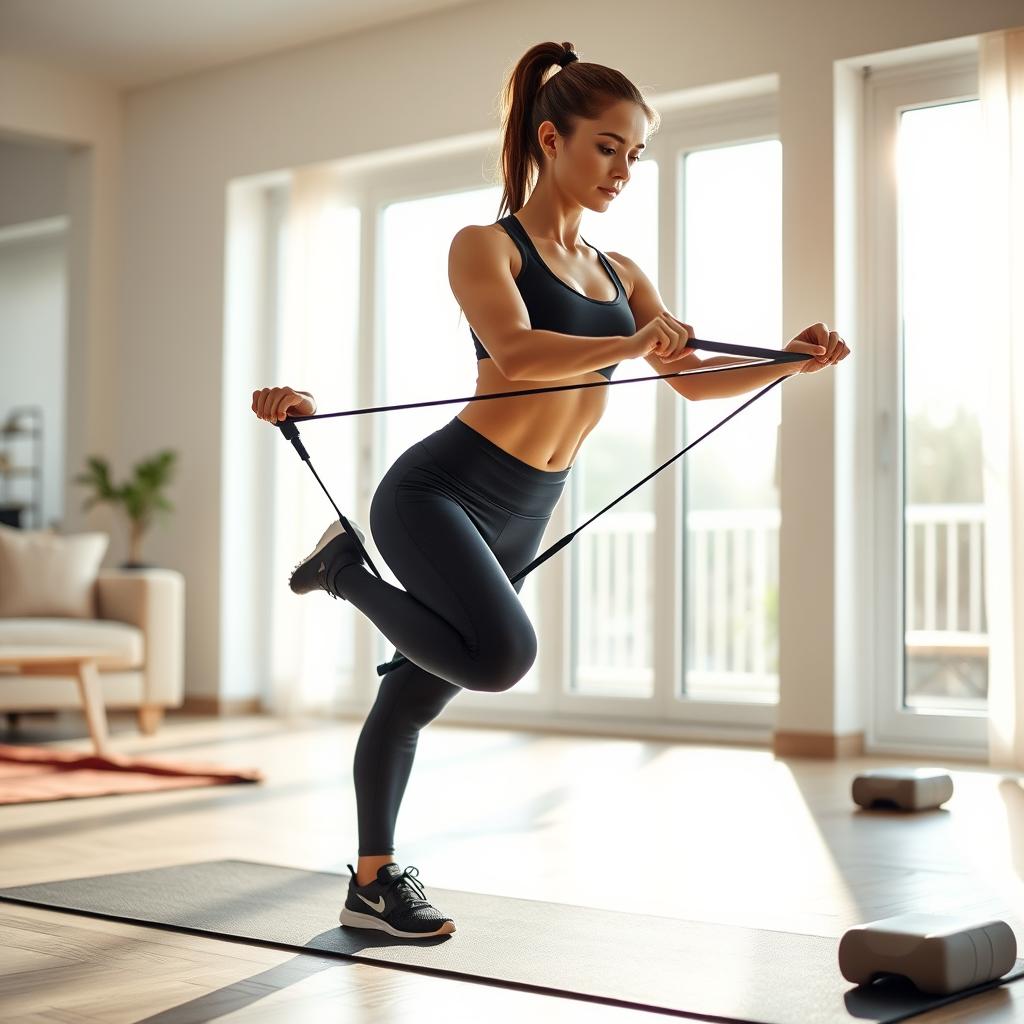
If equipment isn’t an option, this simple yet effective variation has you covered. Begin by standing tall and balancing on one leg while bending the other knee back toward your glutes. You can hold onto a sturdy surface for stability or add ankle weights for extra resistance. It’s perfect for isolating your hamstrings and improving balance control.
3. Stability Ball Hamstring Curl
Grab a stability ball if you have one lying around—it’s a game-changer for hamstring curls. Lie flat on your back with your feet resting on the ball. Lift your hips, then roll the ball toward you using your heels. This exercise challenges more than just your hamstrings, as it also works your stabilizing muscles for better overall strength.
4. Single-Leg Hip Extension Curl
Looking for an advanced option? Combine hamstring strength with single-leg balance in this powerhouse move. Lie flat on your back, lift one leg into the air, then perform hip extensions and curls using your grounded leg. This unilateral exercise helps eliminate muscle imbalances while increasing posterior chain strength.
5. Resistance Band Lying Leg Curl
No sliders or stability balls? Resistance bands are the perfect alternative. Anchor the band to a sturdy base and loop it around your ankles. As you lie face down, curl your legs against the band’s resistance to fire up the hamstrings. You can easily increase or reduce tension by adjusting the band’s position or length.
Each of these leg curl exercises is designed to be accessible and incredibly effective for home workouts. Whether you have a towel, resistance band, stability ball, or nothing at all, there’s an option that fits your needs. So, which one are you trying first?
Equipment-Free Alternatives for Effective Leg Curls at Home
Think you need a gym full of machines to strengthen your hamstrings? Think again! With a little creativity and everyday household items, you can easily perform variations of leg curls at home to target your hamstrings effectively. Whether you’re just starting your fitness journey or looking for convenient additions to your routine, these equipment-free alternatives have you covered.
Bodyweight Hamstring-Focused Moves
Don’t underestimate the power of bodyweight exercises – they’re simple, yet super effective. Here are a few moves to fire up your hamstrings:
- Glute Bridge Walkouts: Start in a glute bridge position, then slowly walk your heels away from your body while keeping your hips lifted. Brace your core and feel the burn in your hamstrings!
- Single-Leg Hip Bridge: Lying on your back, bend one knee while keeping the other leg extended. Push through your heel to lift your hips, focusing on that isolated hamstring squeeze.
- Reverse Nordic Curl: Kneel down with a tall posture and slowly lean back, keeping tension in your hamstrings. It’s harder than it looks!
Creative Ways to Use Household Items
You don’t need fancy equipment to level up your hamstring workouts. Everyday items at home can be surprisingly useful:
- Using Towels: On a smooth surface, try sliding hamstring curls – place your heels on a towel and slide them toward your body as you lift your hips.
- Chairs for Stability: Use a sturdy chair to assist with single-leg bridges or supported hamstring raises, making it easier to maintain good form.
- Resistance Bands: If you have bands lying around, loop one around your ankles for a standing leg curl variation. Compact, yet effective!
These alternatives not only add variety but make hamstring curls accessible for anyone, anytime. Ready to give them a shot? Grab what’s handy and maximize your home workout today!
Tips for Proper Form & Safety
When doing leg curls at home, nailing the correct form is essential not just for effectiveness but also to prevent injuries. Whether you’re using resistance bands, stability balls, or just your bodyweight, mindful movements make all the difference. Let’s dive into some of the most common mistakes to avoid and how to safely progress as you get stronger.
Common Mistakes to Avoid
- Rushing through reps: Quick, uncontrolled movements reduce the time your hamstrings spend under tension, which limits overall effectiveness. Focus on slow and steady movements.
- Skipping warm-up: Diving into leg curls without warming up can lead to muscle strains. Start with dynamic stretches to prepare your hamstrings.
- Overarching your back: Keep your core engaged and avoid overarching your lower back during the movement, especially if using a stability ball.
- Partial range of motion: Ensure you complete the full curling motion. Dropping the final few inches can cheat your results.
How to Progress Safely
As your hamstrings grow stronger, progression is key to avoiding plateaus. But remember, safety always comes first. Start small and be consistent. Here’s how:
- Increase resistance: If using a resistance band, opt for a heavier band over time. For stability ball curls, consider holding a dumbbell between your feet.
- Add reps and sets: Gradually increase your target reps or sets every 1-2 weeks. For example, go from 3 sets of 12 reps to 4 sets of 15 reps.
- Experiment with single-leg variations: Split-leg or single-leg curls add an extra challenge and help address muscle imbalances.
Optimal Progression Table
| Hamstring Curl Variation | Resistance Option | Progression Tips |
|---|---|---|
| Bodyweight Stability Ball Curl | None | Start with both legs, then progress to single-leg variations. |
| Resistance Band Curl | Light Band | Increase band strength or reps as you advance. |
| Single-Leg Curl | Optional Dumbbell | Focus on controlled movements before adding weight. |
By understanding these tips and building a safe progression plan, you’ll maximize your results while keeping your hamstrings injury-free. Plus, you’ll set the stage for improved performance in compound moves like squats and deadlifts. Ready to unleash your full leg-strength potential?
Sample Hamstring Workout Routine at Home
Want to get stronger hamstrings without stepping foot into a gym? You absolutely can! Whether you’re new to leg curls or aiming to challenge yourself with intermediate variations, this at-home routine has you covered. All you need is your bodyweight, a resistance band, or a stability ball—no bulky gym equipment required.
Beginner-Friendly Routine
If you’re just starting out, focus on mastering your form and building a solid foundation. Here’s a simple, low-equipment plan to help you get started:
- Bodyweight Hamstring Bridge Curl: 3 sets of 10-12 reps
- Standing Hamstring Curl (with a resistance band): 3 sets of 10 reps per leg
- Single-Leg Glute Bridge: 2 sets of 8 reps per leg
Take about 30-60 seconds of rest between sets. Don’t rush—focus on engaging your hamstrings and controlling each movement!
Intermediate/Advanced Variations
Looking for a greater challenge? Incorporate these advanced moves into your plan:
- Stability Ball Leg Curl: 3 sets of 12-15 reps
- Nordic Hamstring Curl: 3 sets of 6-8 reps
- Suspension Trainer Hamstring Curl: 3 sets of 8-10 reps
These variations not only target your hamstrings but also work your core and balance. As always, keep your movements controlled to ensure proper engagement.
So, whether you’re a beginner or someone who needs that next-level burn, these leg curls at home will set you on the path to stronger, more robust hamstrings.
Why Hamstring Strength Matters
Ever felt your legs falter during a heavy squat or noticed discomfort when attempting deadlifts? Chances are your hamstrings might be crying out for attention! Strong hamstrings play a vital role in stabilizing your lower body and strengthening your posterior chain. They’re the silent workhorses behind explosive athletic movements, improved posture, and reduced injury risk.
Here’s the good news: you don’t need fancy gym equipment to target them effectively. In fact, leg curls at home are an excellent way to bolster your hamstring strength without stepping foot in a gym. Plus, incorporating regular variations into your routine can yield even better results—think stronger legs, better balance, and increased overall mobility.
Simple Hamstring Curl Variations to Try
- Bodyweight Hamstring Curls: Lie on your back, dig your heels into the floor, and engage your hamstrings as you lift your hips off the ground.
- Resistance Band Curls: A compact option that delivers big results. Wrap the band around something sturdy, secure it to your ankle, and perform standing or seated curls.
- Stability Ball Curls: For a core and hamstring double-whammy, try rolling your feet on a stability ball while maintaining control.
Feel free to mix and match these variations weekly to keep your workouts fresh and challenging. Are you ready to crush your next squat or deadlift session? Start by making hamstring curls a regular staple in your routine, and let those gains speak for themselves!